
How to Choose the Right Industrial Power Wash Contractor for Your Facility
Industrial power wash contractors deliver high-pressure cleaning solutions that restore facility exteriors, equipment, and hardscapes to peak condition while promoting safety and longevity. Facility managers face risks from buildup of grease, soil and contaminants that accelerate corrosion, impede workflow and trigger OSHA violations. This guide explains what industrial power washing encompasses, outlines selection criteria for contractor reliability, highlights tailored applications across facility types and examines cost-benefit considerations. Ultimately, readers will learn how expertise, equipment, safety protocols, environmental responsibility and pricing models converge to ensure optimal cleaning results with measurable ROI.
What Are Industrial Power Washing Services and Their Key Benefits?
Industrial power washing services use specialized pressure washers to remove heavy soils, grease, rust and chemical residues from large-scale facilities. By combining water at high PSI/GPM with targeted detergents, these services restore surfaces, promote workplace safety and extend asset lifespan.
Key benefits of professional industrial cleaning include:
- Improved safety through removal of slip-hazard deposits that reduce fall risk and OSHA citations
- Enhanced efficiency by clearing clogged drains, vents and machinery surfaces for uninterrupted operations
- Extended equipment longevity via corrosion prevention and buildup removal that safeguards metal components
- Compliance support by eliminating contaminants that breach environmental and health regulations
- Aesthetic appeal that reinforces corporate image and property value
These advantages set the stage for selecting a contractor with proven capabilities in pressure-driven cleaning and facility maintenance.
What Defines Industrial Pressure Washing and Its Applications?
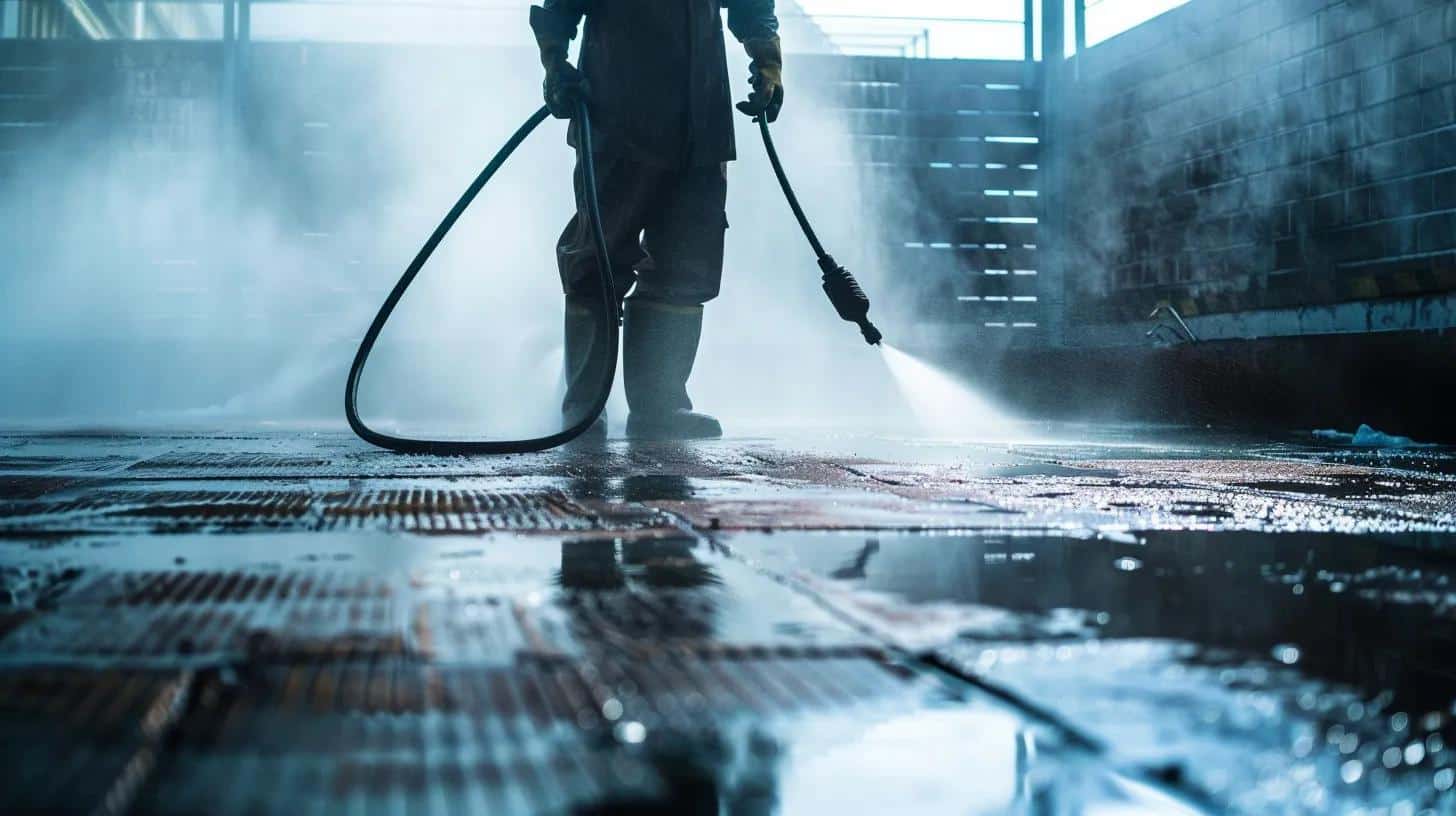
Industrial pressure washing refers to the use of commercial-grade washers delivering 2,000–5,000 PSI combined with high-flow GPM rates to tackle heavy deposits on concrete floors, production lines and structural steel. By adjusting nozzle patterns and detergents, technicians can degrease welding stations, strip old coatings from tanks and revitalize warehouse exteriors. This versatility makes industrial pressure washing essential for both preventive maintenance and intensive restoration projects, linking deep-cleaning power to operational continuity.
How Does Industrial Power Washing Improve Facility Safety and Efficiency?
Industrial power washing enhances safety by eliminating slippery oil films and chemical residues from driveways, loading docks and footpaths. Technicians use heated water and biodegradable surfactants to dissolve buildup at the point of contact, reducing slip-and-fall incidents. In parallel, clearing clogged grit traps and ventilation grills ensures proper airflow and uninterrupted production, directly supporting both OSHA compliance and facility throughput.
Optimizing Maintenance Management in Modern Industrial Facilities
Research emphasizes the critical role of efficient maintenance management, including systematic cleaning, in enhancing productivity and improving workplace safety within industrial facilities. This approach helps minimize downtime, extend asset life, and reduce unexpected equipment failures, contributing to increased output and profitability. Effective maintenance practices also proactively address potential hazards, thereby reducing accidents and fostering employee morale.
This research directly supports the article’s claims regarding how industrial power washing improves efficiency, extends equipment longevity, and enhances facility safety through preventative maintenance.
What Environmental Advantages Do Eco-Friendly Industrial Cleaning Practices Offer?

Eco-friendly industrial cleaning relies on biodegradable detergents, water reclamation systems and containment measures to prevent runoff.
- Biodegradable detergents break down without harming soil or waterways
- Closed-loop reclamation captures up to 90% of wash water for reuse
- Containment berms prevent chemical migration into storm drains
By minimizing waste and chemical impact, sustainable practices protect surrounding ecosystems and align cleaning operations with corporate environmental goals.
Environmental Regulations and Sustainable Practices in Industrial Cleaning
Industrial cleaning practices are subject to environmental regulations from the U.S. Environmental Protection Agency (EPA), which address volatile organic compound (VOC) emissions from cleaning solvents and wastewater discharge under programs like the National Pollutant Discharge Elimination System (NPDES). To minimize environmental impact, sustainable approaches emphasize using eco-friendly cleaning products and implementing water conservation techniques.
This citation highlights the regulatory framework and the shift towards sustainable practices in industrial cleaning, directly supporting the article’s section on environmental advantages and eco-friendly solutions.
What Essential Factors Should You Consider When Choosing an Industrial Power Wash Contractor?

Why Is Experience and Expertise Critical for Industrial Cleaning Contractors?
Experience differentiates contractors who understand industrial workflows, surface materials and regulatory demands from general-purpose providers. A team with an extensive portfolio of manufacturing-plant degreasing, petrochemical tank cleaning and food-processing sanitation demonstrates mastery of best practices and trouble-shoots site-specific challenges efficiently. This deep expertise ensures cleaning plans align with production schedules and contamination controls.
How Do Licensing, Insurance, and Certifications Impact Contractor Reliability?
Proper licensing and insurance signal financial stability and legal compliance. Verify that contractors carry general liability coverage, workers’ compensation and endorsements for confined-space entry or high-elevation work. Certifications from OSHA, PWNA or similar bodies confirm adherence to safety protocols and industry-recognized training standards.
What Role Does Equipment and Technology Play in Industrial Power Washing?
Cutting-edge equipment defines cleaning performance. A comparative overview helps:
| Technology | Key Attribute | Typical Application |
|---|---|---|
| Hot-water pressure wash | Temperature up to 200 °F | Oil, grease and heavy tar removal |
| Cold-water pressure wash | 3,000–5,000 PSI, no heat | Surface dust, light soils |
| Surface scrubbers | Rotating brushes and pads | Delicate floor finishes |
Advanced nozzles, automated reels and telemetry-enabled units further enhance precision and consistency. Selecting contractors with appropriately sized PSI/GPM ratings prevents surface damage and maximizes cleaning efficacy.
How Important Are Safety Protocols and Training in Industrial Cleaning?
Strict safety protocols mitigate risks associated with high-pressure equipment, chemical handling and elevated work. Comprehensive training in PPE usage, lockout/tagout procedures and confined-space entry ensures any contractor team can navigate hazards without endangering personnel or assets. Emphasizing documented safety plans elevates jobsite accountability and aligns with OSHA requirements for industrial environments.
Why Should You Evaluate Environmental Responsibility and Eco-Friendly Solutions?
Environmental responsibility extends beyond compliance to encompass corporate sustainability goals. Request information on detergent formulations, water recovery rates and discharge protocols. Contractors demonstrating transparent environmental practices support long-term cost savings through reduced water consumption and regulatory penalties.
Which Industrial Facilities and Cleaning Applications Require Specialized Power Washing Services?
Different facility types demand tailored cleaning approaches that recognize unique surface materials, contamination profiles and hygiene standards.
What Types of Industrial Facilities Benefit Most from Power Washing?
- Manufacturing plants subject to grease and metal shavings build-up
- Warehouses with high forklift traffic and pallet residue
- Food processing facilities requiring strict sanitation and FDA compliance
- Chemical plants needing safe removal of corrosive residues
Each environment benefits from specific wash pressures, containment measures and washdown scheduling.
How Are Specific Cleaning Tasks Like Equipment, Floors, and Fleet Washing Handled?
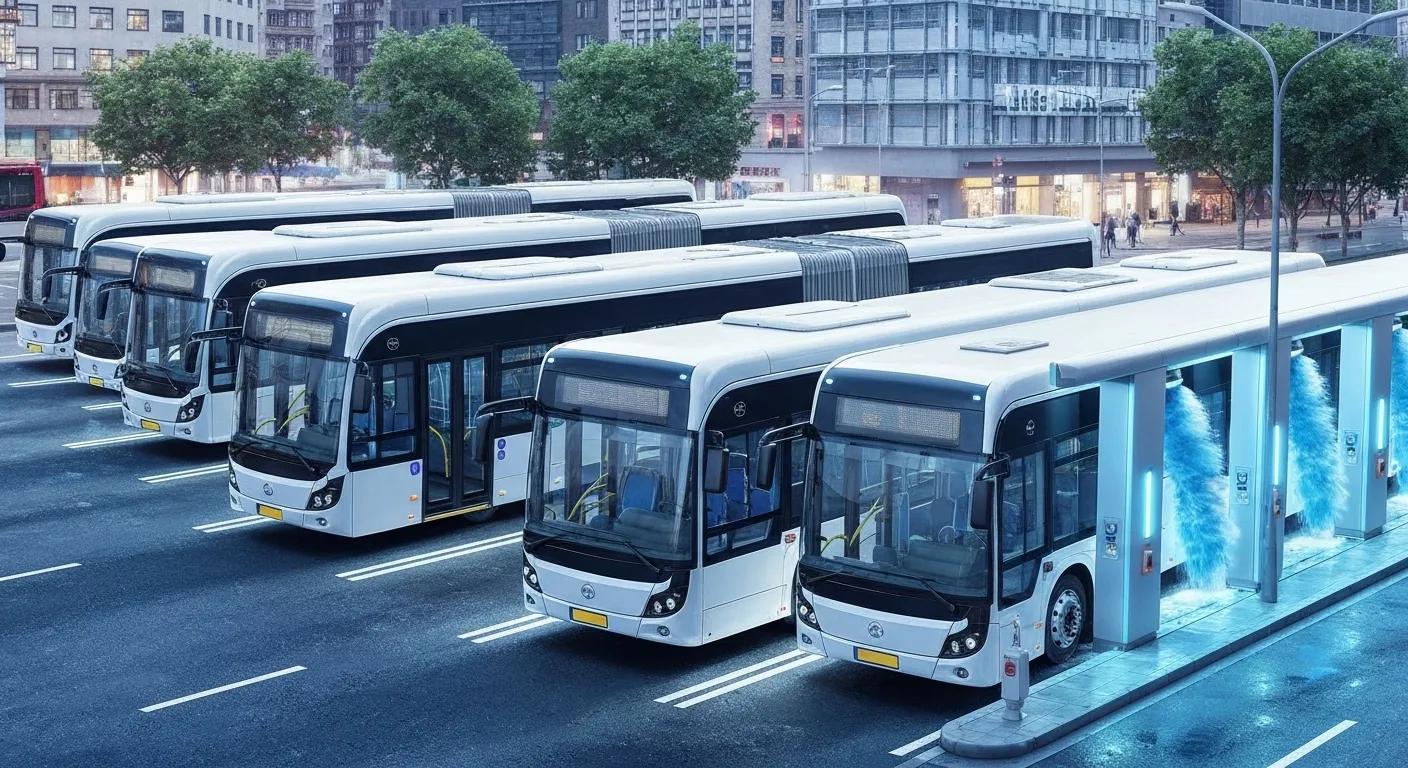
Technicians customize methods: high-pressure wanding for exterior fleet cleaning, scrub and vac systems for floors, and steam cleaning for delicate electrical cabinets. Coordinated wash zones and cross-trained crews ensure minimal production downtime.
How Can Customized Cleaning Plans and Maintenance Schedules Improve Results?
A tailored plan aligns cleaning frequency with contaminant accumulation rates, facility usage patterns and downtime windows. Preventative schedules reduce unplanned shutdowns, while data-driven service logs verify compliance and support capital-expenditure decisions for facility upkeep.
How Do Industrial Power Washing Costs and ROI Influence Contractor Selection?
Investing in professional power washing delivers both immediate results and long-term financial returns through asset preservation and operational uptime.
What Are Typical Pricing Models for Industrial Power Washing Services?
Contractors often bill by:
- Square-foot rates for facility exteriors
- Project-based quotes for discrete tasks (equipment degreasing, fleet washing)
- Annual service contracts that bundle routine maintenance
Comparing proposals side-by-side reveals differences in scope definitions, chemical usage and water-recovery fees.
How Does Professional Industrial Cleaning Deliver Long-Term Cost Savings?
By preventing corrosion, equipment wear and OSHA fines, scheduled cleaning reduces capital expenditures on replacements and repairs. Improved safety records also lower insurance premiums and liability exposure, generating measurable ROI beyond immediate surface restoration.
What Are the Most Common Questions About Choosing an Industrial Power Wash Contractor?
Contractors often receive similar inquiries that reflect key decision points for facility managers. Clear answers streamline evaluation and support confident contractor selection.
What Should You Look for in an Industrial Pressure Washing Company?
Seek a contractor with a documented safety history, specialized industrial portfolio, proper certifications, transparent pricing and references from similar facilities.
Is Industrial Power Washing Environmentally Friendly?
Yes. When contractors employ biodegradable detergents, closed-loop water systems and containment measures, environmental impact is minimized while maintaining rigorous cleaning standards.
What Equipment Is Used for Industrial Power Washing?
High-performance pressure washers rated 2,000–5,000 PSI, hot-water units, surface cleaners, steam generators and specialized nozzles combine to address diverse industrial soils.
How Much Does Industrial Power Washing Typically Cost?
Costs vary by square footage, soil type and access complexity. Expect range estimates of $0.10–$0.50 per square foot for standard exterior washing, with project or contract pricing available for comprehensive programs.
Professional expertise, advanced equipment and predictable maintenance schedules ensure that industrial cleaning becomes an investment in safety, efficiency and asset preservation. Partnering with a contractor who demonstrates proven results, transparent practices and environmental responsibility transforms your facility’s upkeep from a recurring expense into a strategic advantage. For a customized assessment, request a detailed quote and align your maintenance plan with operational goals.