
Eco-Friendly Fleet Washing Solutions
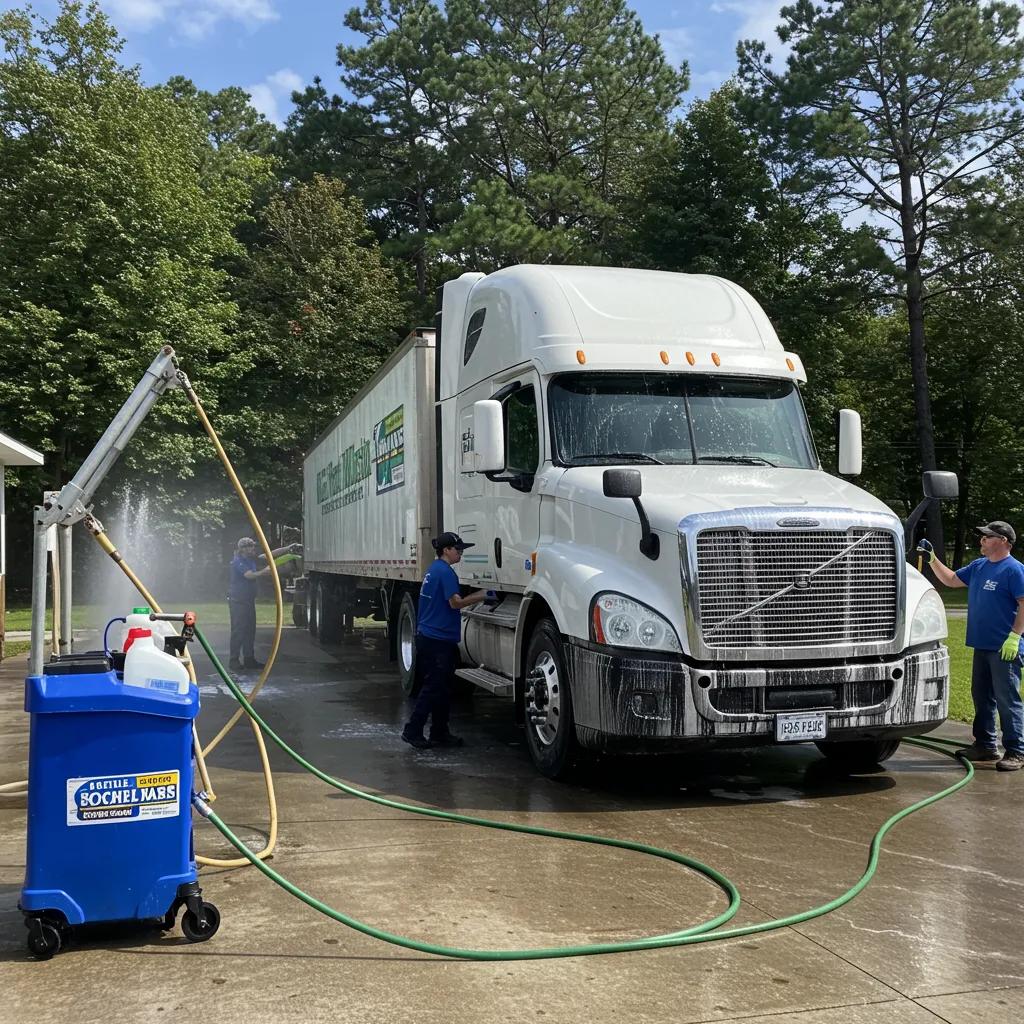
Professional, affordable mobile fleet washing in Central Arkansas protects your fleet, reinforces your brand, and meets eco-friendly standards while minimizing operational disruption. This article explains how modern fleet washing delivers measurable value for businesses—from improved curb appeal and corrosion prevention to regulatory compliance and operational uptime—and outlines practical options available to commercial fleet managers. Many fleet operators seek cost-effective, on-site solutions that reduce downtime and control environmental impact; this guide maps the services, processes, sustainability practices, pricing considerations, and local coverage that matter when evaluating providers. You will learn why professional fleet washing is essential, what service types and equipment are used, how workflows and water reclamation systems protect the environment, and how pricing and scheduling can be tailored to fleets of every size. Throughout, the focus is on actionable insight for decision-makers managing trucks, vans, buses, and heavy equipment in Central Arkansas, including practical next steps for obtaining a free estimate and scheduling service.
Why Is Professional Fleet Washing Essential for Your Business?
Professional fleet washing is a targeted maintenance service that removes corrosive grime, preserves vehicle finishes, and projects a clean, consistent brand image for businesses operating commercial vehicles. The mechanism is straightforward: pressure washing and appropriate detergents dissolve road salts, oil residues, and particulate buildup that otherwise accelerate paint deterioration and undercarriage corrosion. The specific benefit is twofold—reduced long-term maintenance costs and immediate improvements to customer-facing appearance—which together increase vehicle uptime and lower lifecycle expenses. Understanding these operational and financial outcomes helps fleet managers prioritize washing schedules and select services that align with safety and branding goals.
Fleet washing also enhances safety and compliance by restoring visibility to lights, windows, and reflective markings, directly reducing accident risk and the chance of regulatory citations. Clean fleets simplify pre-trip inspections and make it easier to document vehicle condition during audits, improving regulatory readiness and reducing administrative friction. For businesses focused on minimizing disruption, professional mobile washing integrates scheduling flexibility and containment practices so cleaning does not create compliance concerns at client sites. These factors lead naturally into local, practical solutions; American Services AR provides mobile, eco-conscious fleet cleaning across Central Arkansas—see the service details in the next section.
The treatment of wash wastewater from a typical car wash station by flocculation-column flotation plus sand filtration and chlorination has been fully studied, and reclaimed water is used for washing vehicles.
Eco-Friendly Vehicle Washes: Water Reclamation Techniques
The treatment of wash wastewater from a typical car wash station by flocculation-column flotation plus sand filtration and chlorination has been fully studied, and reclaimed water is used for washing vehicles.
More environmentally friendly vehicle washes: water reclamation, 2012
This section explained the core reasons to invest in professional washing and introduced local service availability; next, we will detail the specific fleet washing services that address those needs.
How Does Fleet Washing Improve Your Business’s Professional Image?
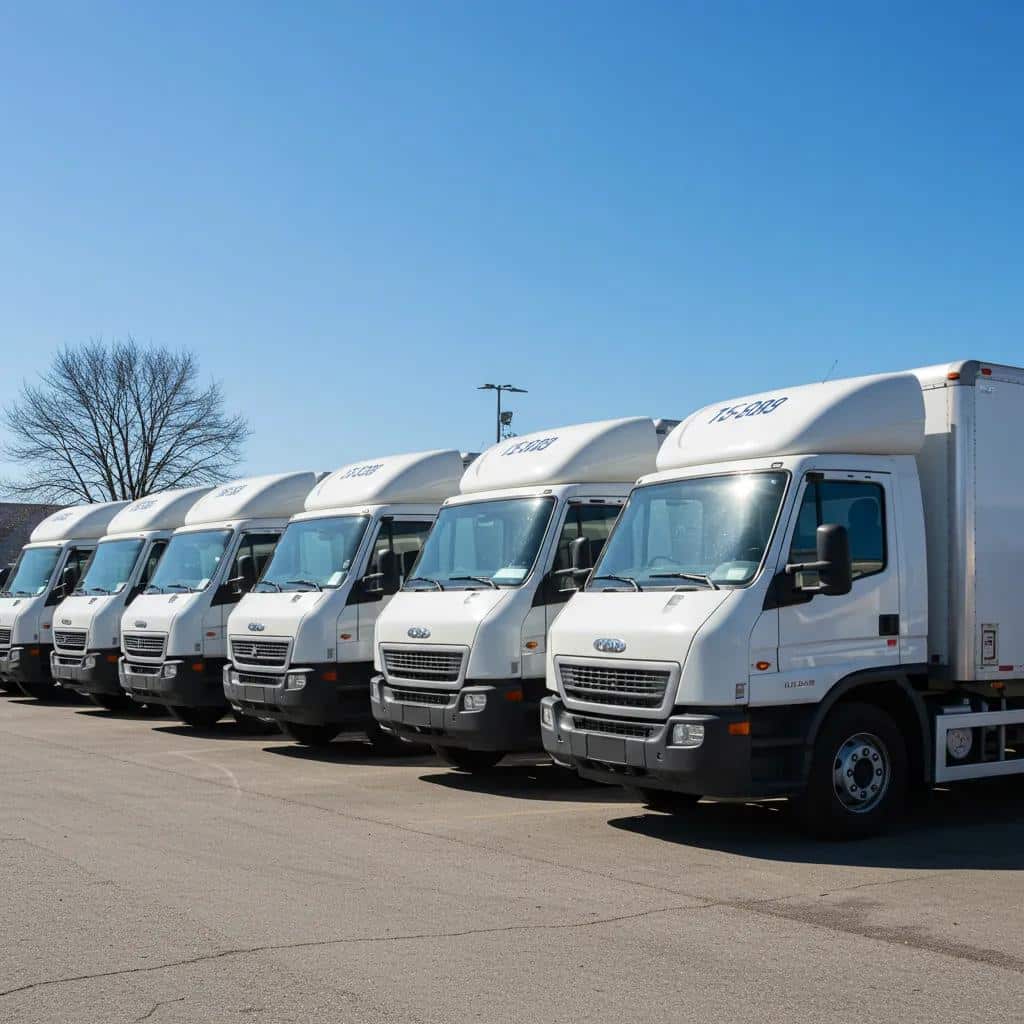
A clean fleet functions as a moving advertisement, reinforcing brand quality and reliability every time a vehicle arrives at a job site or customer location. Visual branding improves customer trust because well-maintained vehicles communicate operational competence and attention to detail, which is especially important for service providers, delivery fleets, and municipal contractors. The mechanism is both perceptual and practical: removal of stains and residue restores logo clarity and reflective elements, increasing visibility and professional presentation. Examples include delivery vans with legible contact graphics and service trucks that present a uniform appearance across multiple locations.
Consistent exterior maintenance also influences partner perception, from suppliers to municipal inspectors, by making records and inspections straightforward and reducing distractions during site visits. For companies that bid on contracts where appearance is a scored criterion, clean vehicles can contribute to better evaluations and repeat business. Maintaining this visual standard requires a repeatable washing program tailored to vehicle types and operational cadence, which is addressed in the service types and scheduling sections that follow.
In What Ways Does Regular Cleaning Extend Vehicle Lifespan?
Regular cleaning reduces the chemical and physical mechanisms that drive corrosion, paint degradation, and premature part failure by removing contaminants like road salt, brake dust, and oil films. The mechanism involves interrupting corrosive reactions and preventing abrasive particulates from embedding in seals and moving parts, thereby reducing rust and protecting protective coatings. The result is prolonged integrity of steel components, preserved paint and decals, and fewer unscheduled repairs—outcomes that translate directly to lower total cost of ownership. For fleet managers, this means less time in repair shops and more predictable capital-replacement planning.
Cleaning schedules tied to operating conditions—coastal exposure, winter salting, or heavy off-road use—optimize protection where it matters most. Regular washing also extends the useful life of auxiliary items such as liftgates and trailer underride guards by preventing buildup that impairs mechanical operation. Understanding these preservation mechanisms helps managers make targeted decisions about wash frequency and the specific methods used for different vehicle classes, which we explore in the service offerings section.
How Does Fleet Washing Enhance Driver Safety and Compliance?
Fleet washing enhances safety by restoring visibility to windshields, mirrors, lighting, and reflective tape so drivers can operate with full situational awareness and vehicles meet inspection standards. The causal mechanism is removal of obscuring films and residues that scatter light or mask indicators, which directly reduces the likelihood of incidents attributed to poor visibility. Clean vehicles are easier to inspect and document; that improves compliance with transport and safety checklists and reduces the risk of fines or work stoppages. The practical outcome is reduced safety-related downtime and fewer corrective maintenance events.
A structured washing program supports compliance documentation by providing repeatable records of service and condition, which is valuable during audits and insurance assessments. Including pre- and post-service inspections in the washing workflow ensures safety issues are identified early and addressed promptly. These operational benefits make washing an integral part of fleet safety protocols and link directly to the efficiency and service-level considerations covered later.
What Comprehensive Fleet Washing Services Does American Services AR Offer?
This section describes common commercial washing services, how they map to vehicle types, and the mobile conveniences that minimize downtime while supporting sustainability. Service types include basic exterior washes, full-service washes with hand detailing, semi-truck and trailer-only cleaning, and specialized heavy-equipment decontamination; each uses pressure-based cleaning, biodegradable agents, and containment practices to reduce environmental impact. The mechanism of on-site mobile service is bringing pressure and reclamation systems to the vehicle’s location to avoid transport costs and return vehicles to service quickly. These service options provide businesses with flexible scheduling and tailored cleaning plans that align with operational cycles.
Below is a comparison table that clarifies typical service offerings, durations, and primary vehicle targets for quick decision-making. The table uses clear headers to show how each option meets common needs.
| Service Type | Typical Duration | Typical Vehicle Types | Typical Outcomes |
|---|---|---|---|
| Basic Exterior Wash | 20–45 minutes | Delivery vans, service trucks, small utility vehicles | Removes grime, restores appearance, quick turnaround |
| Full-Service Wash & Detail | 45–90 minutes | Service vans, company cars, mid-size trucks | Deep-cleaned exteriors, spot treatment, improved branding |
| Semi/Trailer Wash | 60–120 minutes | Semi-trucks, trailers | Removes tar/oil, undercarriage rinse, trailer interior exterior as needed |
This comparison helps fleet managers select the right package based on vehicle class and required turnaround. The next table maps vehicle types to common cleaning challenges and recommended approaches, clarifying why different equipment or detergents are selected.
| Vehicle Type | Common Cleaning Challenges | Recommended Service Approach |
|---|---|---|
| Semi-trucks | Tar, diesel soot, road film | High-pressure pre-soak, hot-water rinse, targeted degreasers |
| Buses | Bird droppings, exhaust buildup | Touchless washing, high-volume rinse, surface-safe detergents |
| Delivery vans | Door seams, cargo stains | Hand-detailing door seals, pressure rinse, spot degreasing |
| Construction equipment | Cement, mud, heavy grime | Heavy-duty wash, safe degreasers, containment for runoff |
That mapping clarifies how service selection prevents damage and optimizes cleaning effectiveness. For businesses seeking a free estimate and tailored plan, American Services AR provides on-site assessments and customized recommendations; request details via the fleet-wash hub on the company website or the company’s Google Business Profile.
This section explained services, comparisons, and vehicle-specific approaches; next we examine certifications, staff training, and sustainability practices that validate these methods.
What Types of Commercial Vehicles Are Included in Our Fleet Washing?
Commercial fleet washing covers a broad set of vehicles — from semi-trucks and trailers to buses, delivery vans, service trucks, and construction equipment — each with distinct cleaning needs. Semis require thorough undercarriage and trailer cleaning to remove tar and diesel residue, while buses need safe, touchless methods for exterior surfaces and windows to protect finishes and signage. Delivery vans benefit from regular exterior washes to preserve brand graphics, and heavy equipment requires heavy-duty degreasers and containment to manage contaminants effectively. Matching approaches to vehicle type reduces chemical exposure and preserves finishes.
Service selection also depends on vehicle geometry and accessibility; tall trailers often need special reach equipment while compact vans are faster to service with low-profile mobile units. Recognizing these differences enables fleet managers to schedule the appropriate service and to request the correct equipment in advance. This vehicle-specific clarity informs package selection and helps avoid ineffective one-size-fits-all approaches.
How Does Our Mobile Truck Wash Service Provide Convenience and Efficiency?
Mobile truck wash units bring pressure equipment, biodegradable detergents, and water containment directly to fleet locations so vehicles remain operational and downtime is minimized. The core mechanism is onsite mobilization: trucks are cleaned during off-peak hours or staged intervals while drivers continue their routes, reducing lost productivity. Convenience is furthered by flexible scheduling options such as overnight or weekend windows, route-based visits, and coordinated multi-vehicle sessions that maximize team efficiency. These practices deliver quick turnaround without the need to transport vehicles to distant facilities.
Operational efficiencies also include pre-visit planning and documentation so crews arrive with the right equipment and supplies, avoiding delays. For busy facilities, mobile services can integrate into regular maintenance days to create predictable rhythms that support budgeting and operational planning. These logistical benefits are a key advantage of on-site washing versus sending vehicles offsite.
What Eco-Friendly Cleaning Agents and Advanced Equipment Do We Use?
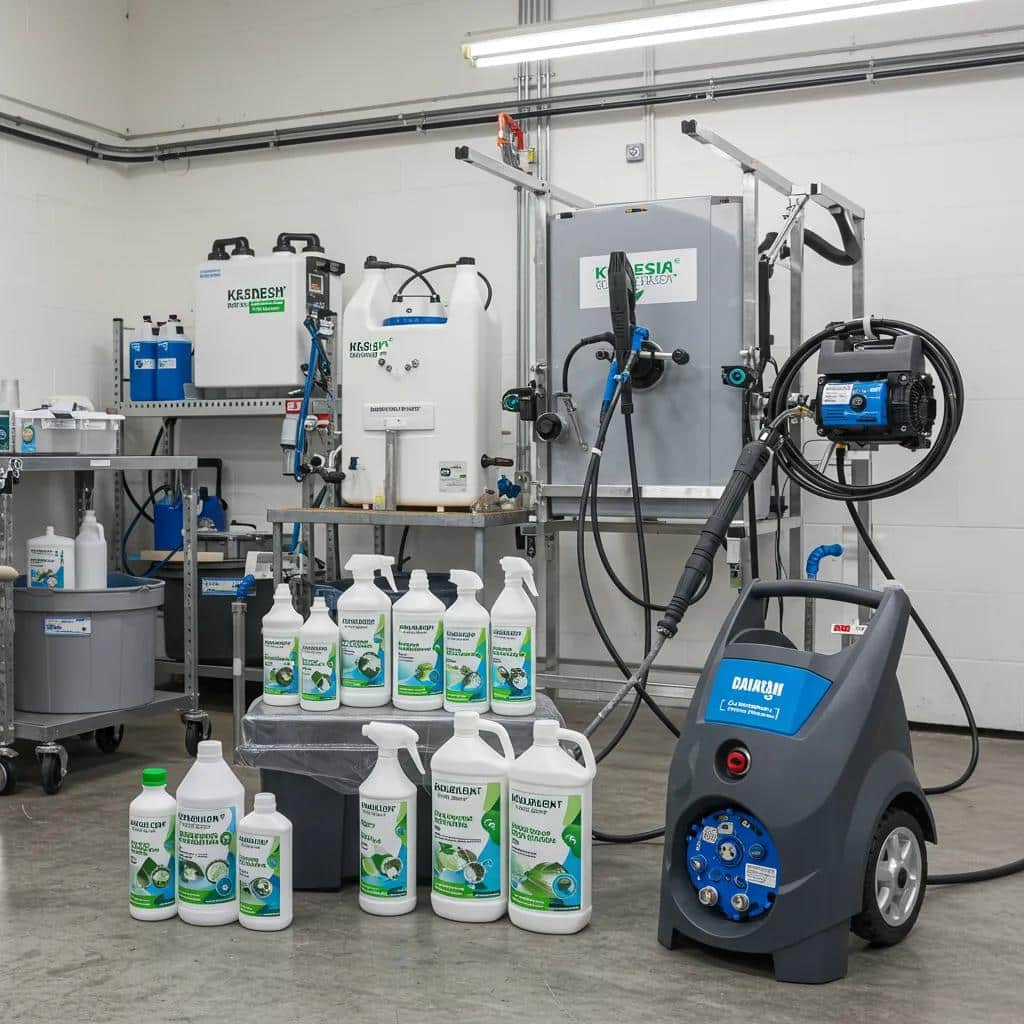
Modern fleet washing emphasizes biodegradable detergents, touchless washing systems where appropriate, and water reclamation equipment that captures and filters wash water for proper disposal. Biodegradable agents break down into non-toxic components and minimize downstream environmental risk, while touchless systems reduce abrasion and preserve paint and decals. Water reclamation systems collect runoff and separate oils and solids so wastewater is handled according to environmental guidelines. Together, these technologies reduce freshwater use and minimize contaminants entering storm drains.
Employing environmentally aligned practices—such as EPA-consistent approaches and industry association-aligned methods—helps fleets demonstrate stewardship and supports regulatory compliance at client sites. The combined use of lower-flow nozzles, targeted detergents, and containment systems represents a practical approach to sustainable exterior maintenance that balances cleaning performance and ecological responsibility.
How Does American Services AR Ensure Quality and Sustainability in Fleet Washing?
Quality assurance and sustainability are anchored in standardized operating procedures, trained personnel, and equipment maintenance programs that deliver consistent cleaning outcomes and minimize environmental impact. The mechanism is a repeatable SOP that includes pre-wash assessments, appropriate chemical selection per surface type, containment setup, and post-wash inspections to confirm target cleanliness levels. These steps produce measurable outcomes: repeatable appearance standards, reliable documentation, and predictable scheduling that support fleet lifecycle management. Emphasizing these elements reassures managers that cleaning is controlled and auditable.
Sustainability is addressed through biodegradable agents and water reclamation, and by aligning practices with recognized environmental expectations. Staff training ensures crews execute containment and disposal correctly and follow safety protocols to protect workers and property. These practices reduce spill risk and ensure that cleaning activities meet local regulatory expectations.
What Certifications and Industry Memberships Validate Our Eco-Friendly Practices?
Environmental validation often involves adherence to recognized frameworks and participation in industry associations that promote best practices; references include EPA-aligned procedures and membership in relevant national trade groups that set technical standards. The significance of such alignment is that it signals adherence to vetted operational and environmental guidelines and supports client assurance that practices are current and responsible. Membership in respected associations typically indicates a commitment to ongoing education and standards updates, which benefits fleets seeking reliable partners.
Displaying these affiliations and explaining their operational implications—such as training requirements and recommended disposal pathways—helps clients evaluate provider credibility. For busy managers, relying on providers who follow recognized environmental methods reduces the need for in-depth technical oversight while ensuring compliance and sustainability goals are met.
How Do Our Experienced Staff and Cutting-Edge Equipment Guarantee Quality?
Quality derives from a combination of crew training, documented SOPs, and regular equipment maintenance to ensure consistent pressure, chemical dosing, and reclamation performance. Trained technicians execute pre-wash assessments, select appropriate detergents, and perform post-wash inspections to confirm standards are met, which reduces rework and improves efficiency. Equipment calibration and preventive maintenance preserve cleaning effectiveness and reduce service variability across sites and crews. The result is a dependable service experience that aligns with fleet managers’ expectations for turnaround and appearance.
Operational checks—such as equipment logs and site-specific notes—support continuous improvement and allow managers to track service consistency over time. These systems also facilitate rapid adaptation to unique site constraints or vehicle types, ensuring less disruption and more predictable results.
What Water Conservation and Biodegradable Solutions Are Implemented?
Water reclamation systems capture wash water, separate solids and hydrocarbons, and allow for compliant disposal or recycling, thereby reducing freshwater consumption and minimizing pollutant discharge. The mechanism involves collection tanks, filtration stages, and containment booms to prevent runoff to sensitive areas, with post-service handling that aligns with local environmental requirements. Biodegradable detergents are selected to degrade into non-harmful components and are dosed precisely to minimize use while maintaining cleaning efficacy. The combined approach reduces environmental footprint and supports client sustainability goals.
Documented handling procedures and recordkeeping provide transparency for audits and regulatory checks, ensuring that fleets can demonstrate environmental due diligence.
Eco-Friendly Vehicle Washes: Water Reclamation Techniques
The treatment of wash wastewater from a typical car wash station by flocculation-column flotation plus sand filtration and chlorination has been fully studied, and reclaimed water is used for washing vehicles.
More environmentally friendly vehicle washes: water reclamation, 2012
Documented handling procedures and recordkeeping provide transparency for audits and regulatory checks, ensuring that fleets can demonstrate environmental due diligence. These practices are especially important for operations near sensitive sites or in jurisdictions with strict stormwater rules, and they reinforce the value of choosing providers that prioritize conservation.
How Is Our Fleet Washing Process Structured for Maximum Efficiency?
A structured fleet washing workflow minimizes downtime and ensures consistent results through clearly defined stages: schedule coordination, pre-service assessment, on-site setup and safety containment, cleaning, inspection, and reporting. The mechanism is predictable sequencing—each stage prepares the next to reduce delays and guarantee appropriate equipment and chemical selection. The result is efficient service delivery with documented inspections and minimal interruption to fleet operations. Explicit SLAs or timing expectations help fleet managers plan around service windows and maintain operational continuity.
Process clarity also supports scaling from single-vehicle jobs to large, multi-site programs by standardizing routes, crew assignments, and post-service documentation. For larger fleets, route optimization and batch scheduling reduce travel time and enable priority servicing during critical periods. These operational efficiencies are central to delivering value to busy commercial fleets.
- Scheduling and planning: Coordinate optimal service windows and confirm vehicle counts and access.
- On-site setup and safety prep: Deploy containment, calibrate equipment, and verify chemical selection.
- Wash, rinse, and inspection: Perform cleaning, conduct a post-wash inspection, and document results.
The numbered process above summarizes how efficiency is achieved; the next subsection provides a step-by-step expansion with time estimates and detail.
What Are the Step-by-Step Procedures in Our Mobile Fleet Washing Service?
The procedure begins with a pre-service assessment that documents fleet composition, site constraints, and any special cleaning needs, setting expectations for the crew and equipment. On arrival, crews set up containment and safety zones, position mobile units, and calibrate pressure and chemical dosing for each vehicle type to avoid damage and optimize cleaning. The cleaning sequence uses targeted pre-soaks where needed, followed by pressure wash and rinse cycles and selective hand-detailing for logos or sensitive areas. Finally, a post-wash inspection is conducted and documented to confirm cleanliness, identify any follow-up needs, and record time-on-task for client records.
Estimated time ranges vary by vehicle type but are provided during scheduling so managers can plan downtime. This structured approach ensures consistent outcomes and supports repeatable scheduling that reduces fleet disruption.
How Do We Schedule and Customize Services for Different Fleet Sizes?
Scheduling adapts to fleet scale by grouping vehicles into route-based sessions, prioritizing high-usage units, and staggering service windows to match operational peaks and driver availability. For single-vehicle needs, a standard appointment window is offered; for mixed or large fleets, route optimization and recurring schedules reduce per-vehicle travel time and deliver predictable service cadence. Frequency recommendations are based on vehicle use, exposure to corrosive conditions, and branding needs, allowing managers to choose monthly, biweekly, or custom cycles. These customization options improve budgeting predictability and ensure high-priority assets receive appropriate attention.
Recurring service contracts often include priority scheduling and simplified invoicing to reduce administrative overhead. Clear communication about access, staging areas, and expected service times further prevents delays and allows operations teams to keep vehicles moving.
What Water Reclamation and Waste Management Practices Do We Follow?
On-site containment collects wash water in reclaim tanks where solids and hydrocarbons are separated through filtration and settling, preventing untreated discharge to storm drains. The practice includes source separation, oil-water separation, and secure transfer to licensed disposal or recycling streams when required, following recognized environmental handling pathways. Crews document volumes and disposal methods to support compliance and provide records for client audits. These waste management steps limit environmental risk and demonstrate responsible stewardship.
Recordkeeping and routine equipment maintenance ensure reclamation systems perform as expected and that disposal aligns with local regulations. For fleets operating in sensitive areas, documented practices provide assurance that cleaning activities meet environmental expectations.
What Are the Pricing Options and Custom Solutions for Fleet Washing?
Pricing for fleet washing is typically customized based on variables such as fleet size, vehicle types, soil level, service frequency, and site accessibility; providers offer per-vehicle pricing, package discounts for recurring contracts, and tailored quotes after site assessment. The pricing mechanism takes into account labor, consumables, equipment wear, travel time, and any required containment or reclamation that increases service complexity. The outcome is a proposal that reflects real operational costs and potential savings from scheduled maintenance. For accurate pricing, managers should provide fleet details and photos to receive a site-specific estimate.
| Pricing Factor | Attribute | Typical Effect on Price |
|---|---|---|
| Fleet size | Number of vehicles | Larger fleets often reduce per-unit cost |
| Vehicle type | Size/complexity | Semis and heavy equipment increase labor/time |
| Service frequency | Recurring vs one-time | Recurring contracts lower per-service cost |
| Soil level | Light vs heavy contamination | Heavy decontamination increases chemical/time |
This breakdown helps managers understand how quotes are constructed and which levers affect cost. To obtain a customized, no-obligation estimate, contact American Services AR via the fleet-wash hub on their website or through their Google Business Profile; the company provides free estimates following a site review.
- Fleet size and composition: single vehicle to multi-site fleets affect travel and scheduling.
- Service frequency and contract length: recurring services typically lower unit costs.
- Vehicle condition and contamination level: heavier soils require more time and products.
- Site accessibility and containment needs: confined or sensitive sites may require extra setup.
How Is Pricing Determined Based on Fleet Size and Service Type?
Pricing is determined by combining per-vehicle labor time, chemical and water usage, travel and setup time, and any specialized equipment required for particular vehicle classes. For mixed fleets, line-item estimates show how costs scale by vehicle type and cleaning complexity, enabling managers to budget more precisely. Recurring contracts commonly reduce per-vehicle costs by amortizing travel and setup across multiple units and visits. The practical guidance is to provide fleet lists, photos, and typical operating schedules when requesting a quote to speed accurate pricing.
Site assessments and sample visits allow providers to identify hidden constraints—such as limited access or client-site rules—that affect time-on-task and therefore price. Transparent communication up front reduces unexpected charges and supports long-term budgeting.
Are There Discounts or Packages for Large Commercial Fleets?
Many providers offer volume discounts, bundled services, and contract pricing for recurring programs that reward predictable, scheduled work with lower per-vehicle rates. Typical benefits include discounted unit pricing, priority scheduling windows, and integrated reporting for maintenance records. These packages create budget predictability and reduce administrative overhead by consolidating billing and scheduling. For large fleets, bundled services also allow for seasonal adjustments and targeted decontamination runs when needed.
Choosing a packaged solution often improves operational efficiency by locking in regular service days and streamlining route planning. Fleet managers should inquire about tiered pricing structures and contractual guarantees to secure the best long-term value.
How Can Businesses Request a Free Fleet Washing Estimate?
To request a free estimate, prepare basic fleet information—number of vehicles, vehicle types, typical soil conditions, and preferred service windows—and submit these details through the provider’s estimate channel. Providers usually respond with a proposal timeframe and may request photos or an on-site assessment to finalize scope and pricing. Typical turnaround time for a written estimate varies but is often within a few business days after receiving complete fleet details. For a free, no-obligation estimate from American Services AR, use the fleet-wash hub on the company website or the company’s Google Business Profile to initiate the request; include photos and site access notes to speed response.
Clear submission of vehicle counts and operating schedules reduces back-and-forth and accelerates project start dates. Expect follow-up questions to confirm access and to schedule any necessary site walk-throughs prior to finalizing the quote.
Which Central Arkansas Areas Do We Serve with Our Fleet Washing Solutions?
Service coverage in Central Arkansas focuses on regional cities and suburban centers where commercial fleets operate frequently, enabling rapid scheduling and local route optimization to minimize travel time. Familiarity with local conditions and operational rhythms means providers can predict travel windows and offer responsive service in primary metro areas as well as neighboring towns. Local presence supports quicker turnaround and easier coordination with site managers, reducing planning friction for recurring programs. The cities served span key commercial corridors in Central Arkansas.
- Conway: Regular commercial routes, convenient scheduling for daytime and off-shift washes.
- Little Rock: High-demand metro area with options for overnight and weekend service windows.
- Vilonia: Coverage for local contractor fleets and smaller commercial operators.
- Greenbrier, Maumelle, Mayflower: Suburban and industrial sites with route-based visits and flexible scheduling.
- North Little Rock, Sherwood: Rapid response options for urban fleets and municipal vehicles.
This list helps fleet managers quickly identify coverage patterns and plan service cadence. If you operate across multiple Central Arkansas locations, coordinated routing and recurring scheduling typically deliver the best value.
What Fleet Washing Services Are Available in Little Rock and Conway?
In Little Rock and Conway, common services include scheduled route washes for delivery and service fleets, semi-truck and trailer cleaning, and on-demand heavy-equipment decontamination for construction firms. Urban sites often require compact, low-impact setups and flexible timing to avoid peak traffic, while industrial locations may permit larger reclamation setups for intensive cleaning. Recommended frequencies depend on fleet use and exposure; many urban delivery fleets benefit from biweekly or monthly schedules to maintain brand appearance.
Local familiarity allows providers to advise on optimal service windows that reduce travel time and downtime. Next, we outline how service coverage extends to neighboring cities and smaller suburbs.
How Do We Support Businesses in North Little Rock, Maumelle, and Surrounding Cities?
Support for suburban and satellite-city fleets relies on route batching, scheduled multi-site visits, and flexible windows to accommodate local employer shift patterns and access constraints. For smaller cities, providers often combine multiple nearby clients into a single service route to lower costs and provide consistent timing. Flexibility around staging areas and collaboration with site managers enhances efficiency and reduces setup time, which benefits operators with limited on-site space. These approaches maintain service quality while optimizing travel and crew allocation.
Route planning also allows predictable recurring visits that align with local environmental rules and site-specific safety requirements, ensuring minimal disruption.
Route planning also allows predictable recurring visits that align with local environmental rules and site-specific safety requirements, ensuring minimal disruption.
Where Can Clients Find Mobile Truck Wash Services Near Me in Central Arkansas?
Clients should consult regional fleet-wash resources and local business listings to identify mobile truck wash availability and to compare service features such as water reclamation, biodegradable detergents, and on-site scheduling flexibility. Using a provider’s fleet-wash hub or Google Business Profile is the fastest way to request a location-specific estimate and confirm available service windows. When reaching out, provide fleet composition, sample photos, and preferred dates to enable efficient scheduling. Local search and business profiles help confirm coverage and availability without requiring off-site transport.
Providing clear site access notes and photos during the initial request speeds assessment and helps providers recommend the right equipment for the location.
What Do Clients Say About Our Affordable Fleet Washing Services?
Client feedback commonly centers on punctuality, thoroughness, and eco-conscious practices—three themes that indicate reliability and operational compatibility. Success stories typically highlight measurable outcomes such as reduced time in maintenance bays, improved presentation leading to better customer perception, and streamlined documentation for audits. These recurring themes validate the operational benefits described earlier and demonstrate that practical, measurable improvements follow from consistent, professional washing programs. Aggregating client insights helps prospective customers understand likely service value.
- Punctual and reliable service: Crews arrive on schedule and complete work within agreed windows.
- Thorough, consistent cleaning: Vehicles return to service with improved appearance and fewer rework items.
- Environmentally responsible practices: Use of biodegradable agents and reclamation provides peace of mind.
Which Success Stories Highlight Our Fleet Washing Quality and Efficiency?
Short case studies often follow a problem → solution → result format showing measurable improvements such as faster turnarounds or fewer corrosion-related repairs after implementing scheduled washes. For example, a regional delivery fleet adopting route-based recurring washes reported improved logo appearance consistency and fewer missed deliveries due to last-minute vehicle cleaning needs. The practical result is not just improved brand image but also smoother daily operations and easier maintenance planning. Sharing these concise cases helps other managers envision similar outcomes for their fleets.
These vignettes emphasize outcomes over claims, showing how standardization and scheduling translate into operational gains.
How Do Customer Testimonials Reflect Our Commitment to Service?
Customer testimonials typically praise consistent communication, crew professionalism, and environmentally aligned practices, which together demonstrate a provider’s commitment to quality and sustainability. Recurring praise about on-time arrivals and thorough inspections underscores operational reliability, while mentions of biodegradable products and reclamation confirm environmental credibility. Synthesizing these comments reveals a pattern: dependable execution combined with responsible environmental practices wins sustained client trust. This pattern supports the case for incorporating regular washing into fleet maintenance programs.
These themes map directly to the service attributes discussed earlier—appearance, longevity, safety, and sustainability—which together form the basis for choosing a provider.
What Are the Most Commonly Asked Questions About Our Fleet Washing?
Prospective clients commonly ask about cost drivers, frequency recommendations, environmental practices, and how to request service; these queries reflect the practical considerations that determine whether a washing program will meet operational needs. Short, direct answers help buyers quickly evaluate options and decide whether to request a site assessment. The next section contains concise, actionable FAQs that target these typical decision points and provide clear guidance for moving forward.
Providing straightforward answers reduces friction in the procurement process and supports faster decision-making by operations teams.
Frequently Asked Questions
What types of vehicles can benefit from fleet washing services?
Fleet washing services cater to a wide range of commercial vehicles, including semi-trucks, delivery vans, buses, and construction equipment. Each vehicle type has unique cleaning needs; for instance, semi-trucks require thorough undercarriage cleaning to remove tar and diesel residue, while buses benefit from touchless washing methods to protect their finishes. By tailoring the washing approach to the specific vehicle type, fleet managers can ensure effective cleaning that preserves the integrity and appearance of their assets.
How does fleet washing contribute to environmental sustainability?
Fleet washing contributes to environmental sustainability through the use of biodegradable cleaning agents and water reclamation systems. Biodegradable agents minimize harmful chemical runoff, while water reclamation captures and filters wash water for reuse, significantly reducing freshwater consumption. These practices not only help businesses comply with local environmental regulations but also demonstrate a commitment to eco-friendly operations. By choosing sustainable washing methods, companies can maintain their fleets while minimizing their ecological footprint.
What are the key factors that influence fleet washing pricing?
Pricing for fleet washing is influenced by several factors, including fleet size, vehicle types, soil levels, and service frequency. Larger fleets often benefit from reduced per-vehicle costs, while more complex vehicles, like heavy equipment, may incur higher charges due to increased labor and time requirements. Additionally, the frequency of service—whether one-time or recurring—can affect overall pricing. Fleet managers should provide detailed information about their vehicles and cleaning needs to receive accurate, tailored quotes.
How can businesses ensure their fleet washing provider is reliable?
To ensure reliability, businesses should evaluate potential fleet washing providers based on their experience, client testimonials, and adherence to eco-friendly practices. Checking for industry certifications and memberships can also indicate a provider’s commitment to quality and sustainability. Additionally, asking for case studies or examples of past work can help assess the provider’s effectiveness. Establishing clear communication about expectations and service details further enhances the likelihood of a successful partnership.
What scheduling options are available for fleet washing services?
Fleet washing services typically offer flexible scheduling options to accommodate various operational needs. Providers may offer services during off-peak hours, overnight, or on weekends to minimize disruption. Additionally, route-based visits can be coordinated for multiple vehicles, allowing for efficient service delivery. By discussing specific scheduling preferences with the provider, fleet managers can ensure that washing services align with their operational rhythms and do not interfere with daily activities.
How does regular fleet washing impact vehicle maintenance costs?
Regular fleet washing can significantly reduce vehicle maintenance costs by preventing corrosion, paint degradation, and mechanical failures caused by accumulated grime and contaminants. By removing harmful substances like road salt and oil, fleet washing helps extend the lifespan of vehicles and their components, leading to fewer unscheduled repairs. This proactive maintenance approach not only enhances vehicle appearance but also contributes to lower total cost of ownership, making it a valuable investment for fleet managers.
What should fleet managers look for in a mobile fleet washing service?
When selecting a mobile fleet washing service, fleet managers should consider the provider’s experience, range of services, and commitment to eco-friendly practices. It’s essential to evaluate the flexibility of scheduling options and the ability to customize services based on fleet size and vehicle types. Additionally, reviewing client testimonials and case studies can provide insights into the provider’s reliability and quality of service. A transparent pricing structure and clear communication about service expectations are also crucial for a successful partnership.
What are the benefits of using biodegradable cleaning agents in fleet washing?
Biodegradable cleaning agents are designed to break down into non-toxic components, minimizing environmental impact. They help reduce the risk of harmful chemicals entering waterways and soil, aligning with eco-friendly practices. Using these agents not only supports regulatory compliance but also enhances a company’s reputation as a responsible business. Additionally, biodegradable products are often effective in removing grime and contaminants without damaging vehicle finishes, ensuring that fleets maintain a professional appearance while being environmentally conscious.
How can fleet managers determine the right washing frequency for their vehicles?
Determining the right washing frequency involves assessing several factors, including vehicle usage, exposure to corrosive elements like road salt, and branding needs. For instance, vehicles operating in urban areas may require monthly washes, while those exposed to harsher conditions might need biweekly or even weekly cleaning. Fleet managers should analyze operational patterns and environmental conditions to establish a tailored washing schedule that balances maintenance costs with the need for a clean, professional appearance.
What should businesses consider when choosing a fleet washing provider?
When selecting a fleet washing provider, businesses should evaluate several key factors: the provider’s experience and reputation, the range of services offered, and their commitment to eco-friendly practices. It’s also important to consider the provider’s ability to customize services based on fleet size and specific vehicle types. Additionally, reviewing client testimonials and case studies can provide insights into the provider’s reliability and quality of service, helping businesses make informed decisions that align with their operational needs.
How does mobile fleet washing minimize operational downtime?
Mobile fleet washing minimizes operational downtime by bringing cleaning services directly to the fleet’s location, allowing vehicles to be washed during off-peak hours or while drivers are on their routes. This on-site approach eliminates the need for transporting vehicles to a wash facility, which can be time-consuming. Flexible scheduling options, such as overnight or weekend services, further enhance convenience, ensuring that fleets remain operational and productive while maintaining cleanliness and compliance with safety standards.
What role does water reclamation play in eco-friendly fleet washing?
Water reclamation is a critical component of eco-friendly fleet washing as it captures and filters wash water for reuse, significantly reducing freshwater consumption. This process involves separating solids and contaminants from the wastewater, ensuring that harmful substances do not enter storm drains. By implementing water reclamation systems, fleet washing providers can minimize their environmental footprint while maintaining effective cleaning practices. This not only supports sustainability goals but also helps businesses comply with local environmental regulations.
How can businesses ensure compliance with local environmental regulations during fleet washing?
To ensure compliance with local environmental regulations during fleet washing, businesses should partner with providers that follow recognized best practices, such as using biodegradable cleaning agents and implementing water reclamation systems. It’s also essential to maintain proper documentation of cleaning processes and waste disposal methods. Regular audits and staff training on environmental protocols can further enhance compliance. By choosing a reputable provider that prioritizes sustainability, businesses can confidently meet regulatory requirements while maintaining their fleet’s appearance.
What are the advantages of having a structured fleet washing process?
A structured fleet washing process offers numerous advantages, including increased efficiency, consistency in cleaning outcomes, and reduced downtime. By following a defined workflow—such as scheduling, pre-service assessments, and post-wash inspections—providers can ensure that each vehicle receives the appropriate care while minimizing operational disruptions. This systematic approach also allows for better resource allocation and planning, enabling fleet managers to maintain a predictable service cadence that aligns with their operational needs and budget constraints.
What Is Fleet Washing and Why Is It Important for Businesses?
Fleet washing is the systematic cleaning of commercial vehicles to remove contaminants that damage paint and mechanical parts and to present a clean brand image. The mechanism includes pressure washing, targeted detergents, and containment procedures to remove road salts, oils, and particulate buildup. The benefit is prolonged vehicle life, fewer repairs, improved safety through restored visibility, and consistent customer-facing appearance. Investing in fleet washing reduces long-term costs and supports operational reliability.
Clear understanding of these outcomes helps businesses prioritize washing frequency and select appropriate service levels.
How Much Does Mobile Truck Washing Cost in Central Arkansas?
Cost varies by fleet size, vehicle type, soil level, and service frequency; providers determine pricing through site assessments that consider labor, consumables, travel, and reclamation needs. Rather than relying on ballpark figures, managers should request a tailored quote with photos and fleet details to obtain accurate pricing. The practical step is to prepare vehicle counts and sample images to speed the estimate process. This approach ensures the quote reflects actual operational conditions and avoids unexpected costs.
Providing full fleet context up front typically shortens quote turnaround and improves estimate accuracy.
Are American Services AR’s Fleet Washing Methods Environmentally Friendly?
Yes; American Services AR aligns practices with environmental expectations by using biodegradable cleaning agents and implementing water reclamation and containment systems to manage runoff. These practices reduce freshwater use and control contaminants, supporting regulatory compliance and reducing environmental impact. The operational implication is that fleets can maintain exterior standards without compromising stewardship goals. Clients should request documentation of reclamation and handling procedures when evaluating providers.
Understanding these practices helps fleet managers incorporate sustainability metrics into procurement decisions.
How Often Should Commercial Fleets Be Washed for Optimal Results?
Recommended frequency depends on vehicle use, exposure to corrosive conditions, and branding needs; light-duty urban fleets often benefit from monthly washes while heavy-use or salt-exposed vehicles may require biweekly or more frequent service. Factors such as road salt, off-road exposure, and cargo-related soiling increase the need for more frequent washing. A tailored program based on these variables achieves optimal protection while balancing cost. Fleet managers should review usage patterns and environmental exposure to set the right cadence.
Adjusting frequency seasonally or after specific contamination events keeps maintenance costs predictable and effective.
We encourage potential clients to contact American Services AR for a free estimate and to schedule a service. The company offers on-site assessments and customized proposals via their fleet-wash hub or their Google Business Profile, and providing vehicle counts, photos, and preferred scheduling windows will speed response and quotation.
Get your free estimate
Tell us the address and what you need. We measure your property and send the price — no visit required.