
Deck and Fence Cleaning in Little Rock, AR
Little Rock decks are frequently doing structural work that decks in flatter cities do not. On a hillside lot, a deck is not a platform sitting on a patio — it is an elevated structure on posts, sometimes two stories above the ground on the downhill side, carrying people out over a slope. That changes what matters when we are under it with a cleaning wand.
The cleaning itself is a chemistry job with a low-pressure rinse, on every wood surface, always. What is different here is what else we are looking at while we do it.
Elevated Decks and the Connection That Fails
The most common serious deck failure in this country is the ledger connection — where the deck attaches to the house. Decks do not usually collapse because a board broke; they collapse because the ledger pulled away from the wall, and that is far more consequential on a structure twelve feet above a slope than on one sitting a step off the lawn.
A deck clean is the best look anyone gets at that connection, and we report what we see: how the ledger is fastened, whether there is visible flashing above it, whether there is rot in the band joist behind, and whether the fasteners are corroded. Older Little Rock decks — and the median home here dates to 1978 — were frequently built before current practice, and some are nailed rather than through-bolted.
We also look at post bases where they meet concrete or ground, beam-to-post connections, guardrail attachment, and any bounce or sway that should not be there.
We are a cleaning contractor, not a structural inspector, and we are careful about that line. But we photograph anything that looks wrong and we say plainly when something wants a carpenter’s eye — on an elevated deck that is not an upsell, it is the responsible thing to mention.
Gray Is Damaged Wood, Not Dirt
The silver-gray on weathered decking is ultraviolet light breaking down lignin, the compound binding the wood fibers. It is degraded surface, not a deposit, so no amount of washing removes it.
What restores color is a wood brightener — usually oxalic-based — applied after cleaning. It reacts with the degraded layer and returns the wood toward its natural tone. It is a separate step and it is the one that produces the result people actually pictured. A deck quote that does not mention brightening is a quote for half the job.
Material, and Little Rock’s Older Decks
Pressure-treated pine
The default, softer than people expect, and it furs readily under pressure. Chemistry and a low-pressure rinse only.
Cedar and redwood
Common on the better older properties in the Heights and Hillcrest. Softer still, prone to tannin bleed, and the color is the whole point — which makes brightening more important and over-pressure more damaging.
Old-growth and original wood
Occasionally found on genuinely old properties, and it is not replaceable. Gentlest possible approach, test area first, and we will tell you if we think a surface wants a restoration specialist rather than a cleaning contractor.
Composite and PVC
Different rules entirely. Never brightened, never treated as wood. The problem is mold in the embossed grain rather than surface soiling, most manufacturers specify what may be used, some cleaners void warranties, and pressure permanently mars the texture. Tell us the brand.
Fences on a Sloped Boundary
Little Rock fences run up and down gradients, which creates two practical problems. The bottom rail on the uphill side often sits against banked soil and rots years before the rest of the fence — worth knowing before you pay to clean something that needs replacing. And on a slope the cleaning solution and runoff travel downhill into whatever is below, which on a shared boundary is frequently a neighbor’s planting.
We identify that before starting and plan the rinsing around it. On a shared fence we would rather you spoke to the neighbor first — we will be working right against their yard and it is better arranged in advance than apologized for afterwards.
Sealing: the Gap That Cannot Be Skipped
Wood must be genuinely dry before sealer or stain goes on. Sealing damp wood traps moisture in the board and produces peeling and blotching within a season. In Arkansas humidity that means a realistic two to three dry days between cleaning and sealing, and longer after heavy rain or on a shaded deck that does not get sun.
Shaded hillside decks under canopy are the slowest to dry in this city, and we would rather push the sealing visit back than seal water into your deck. Spring and fall are the best windows; mid-summer heat flashes sealer off the board before it can penetrate.
Deck and Fence Cleaning in Little Rock, AR — Questions We Get
Our deck is high off the ground. Is that a problem for you?
No, and it is a reason to have somebody look properly. An elevated deck on a slope carries real consequences if the ledger connection is failing, and a clean is the best look anyone gets at it. We will photograph what we see — how it is fastened, whether there is flashing, whether fasteners are corroded — and tell you plainly if it wants a carpenter.
Why is it still gray after washing?
Gray is UV-degraded wood, not dirt, so washing cannot lift it. A wood brightener applied after cleaning reacts with that degraded layer and restores the natural tone. It is a separate step from cleaning, and it is the one that gives you the result you were picturing.
Can you clean and seal in one visit?
No. Wood must be genuinely dry or the sealer traps moisture and peels within a season. That is two to three dry days in Arkansas humidity and longer on a shaded hillside deck. Anyone offering same-day clean and seal is sealing water into the boards.
Our fence is on a slope and shared with a neighbor.
Both worth flagging. On a slope the runoff travels into whatever is downhill, which on a shared boundary is usually their planting, so we plan the rinsing around it. And we would rather you mentioned it to them first — we will be working right against their yard.
The bottom of our fence is rotten.
Common here, particularly where the uphill side sits against banked soil holding moisture permanently. It is worth knowing before you pay to clean a fence that needs boards replaced. We will point out what we see and let you decide whether cleaning makes sense yet.
We have composite decking.
Different approach entirely — never brightened, never treated as wood, and the problem is usually mold in the embossed grain rather than surface dirt. Most manufacturers specify what may be used and some products void the warranty, so tell us the brand if you know it.
★ 4.9 Google Rating | Since 2010 | Fully Insured | Free Estimates
When your property needs professional deck and fence cleaning Little Rock AR service, American Services AR delivers — the capital and largest city in Arkansas with diverse residential and commercial properties. We provide expert deck and fence cleaning Little Rock AR homeowners and businesses rely on, with fully insured service and free estimates throughout Pulaski County. Call (501) 289-5623 to schedule your free estimate today.
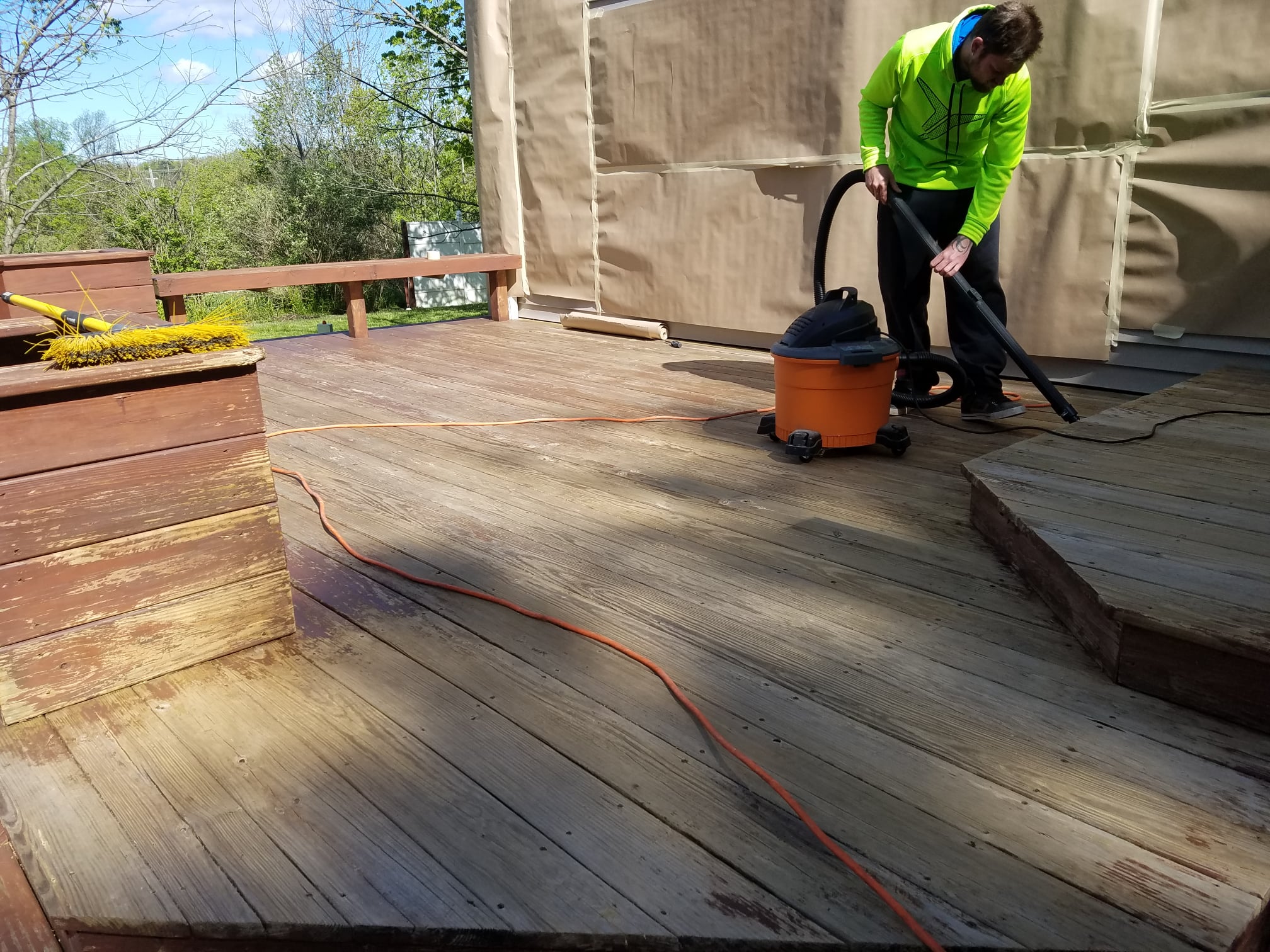
Deck And Fence Cleaning Little Rock AR — Pricing Guide
Pricing for deck and fence cleaning Little Rock AR depends on property size, surfaces, and scope of work:
- Deck cleaning (standard): approximately $150 to $300
- Fence cleaning (per linear foot): approximately $1 to $3
- Deck + fence package: combination pricing available
- Large or multi-level decks: priced on-site with free estimate
We provide free, on-site estimates for every deck and fence cleaning Little Rock AR job throughout Pulaski County. No surprise charges — we quote the complete job before we begin. Call (501) 289-5623 or request a free estimate online. We respond the same business day.
Areas We Serve
American Services AR is based in Conway and has worked across Arkansas since 2010. These are the main markets our crews cover — each link opens that city’s page.